Home
Home

Sometimes our favorite games just never seem to catch on with everyone else. We're often left thinking, "How can people not be playing this?!" Jesse has given the subject some thought and offers insight into just why some titles never reach the acclaim they deserve.
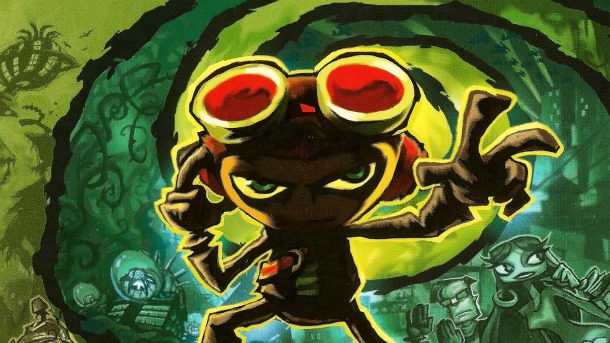
In the video games industry, like any other, few dominant factors always draw in the masses and dictate popular opinion. But for every hit, an unappreciated gem flies under our radars.
It’s a shame, really, because many of these games are true masterpieces. They do not deserve to go unnoticed. So how do these games fail to acheive such acclaim?
Concept
Often times when a title presents us with a unique and original idea, as compelling as it may sound to some, quite a few others cringe at the thought of straying away from familiarity.
We all know full well which genres hold the most popular titles: the first-person shooter, the role-playing game, and the crime-based sandbox game as well as a handful of others.
Unfortunately, when a development studio makes an attempt to innovate with a new and unfamiliar style, many of us are often hesitant to open our minds to it. Sometimes, these games are overreaching and almost impossible to bear with, but on other occasions, they surprise us with what turns out to be a unique experience.
But even if a title of this nature manages to bring reviewers and critics over to its side, it cannot legitimately be seen as a success unless players are willing to pick up a copy of their own.
This usually relegates it to being a cult hit: When a game is considered to be an overall exeptional experience but never quite manages to attract a wider audience.
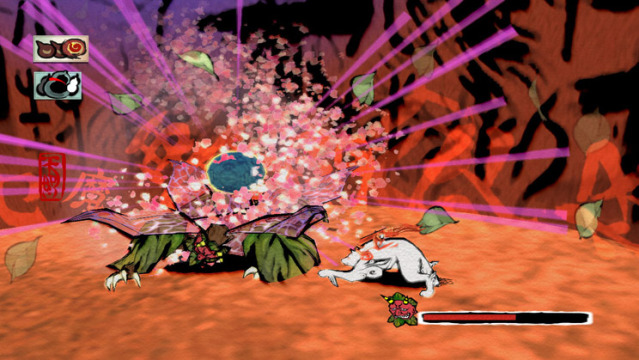
Remember Okami? Released in 2006 for the PlayStation 2 and rereleased for the Wii two years later, Okami received critical acclaim but ultimately failed in the sales department.
This oddball of an adventure was centered on Japanese folklore and followed Amaterasu, the Shinto sun god, in the form of a wolf on a quest to save her world form darkness.
The title’s art direction was possibly the main contributor to what alienated so many; a cel-shaded visual style gounded in traditional Japanese art. While this was one aspect of Okami that gathered much praise form reviewers, one too many players ultimately found the concept to be too far from what they considered "the norm," and therefore, Okami became an underrated cult classic.
Publicity
Consider the following: Without commercials, Internet ads, magazine spots, and the like, would any of us really be able to keep up with most of the major video game releases each month?
Most titles in the gaming industry rely on word of mouth to attract the masses. Not only is this affected by advertising, but reviews also play their part in spreading the word of an upcoming release.
While a favorable review does indeed help a title’s chances of reaching our disc drives, whether or not critics and writers are even paying attention to a game in the first place can make or break the influence on the players' decisions to purchase.
Basically, it won’t matter at all how enjoyable a particular title is if none of us are even aware of its existence.
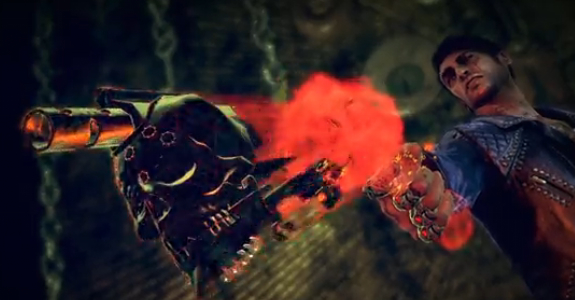
Shadows of the Damned is a prime example of a greatly enjoyable title that went unnoticed many far too many, due to a lacking amount of publicity.
Shadows of the Damned, released in 2011 for the Xbox 360 and PlayStation 3, was a campy psychological horror game that followed demon hunter Garcia Hotspur on his journey into Hell to save his beloved Paula.
The game had two of the greatest masterminds under its belt, Shinji Mikami (the man behind Resident Evil) and Suda 51 (No More Heroes, Lollipop Chainsaw, among others), and received some very positive reviews from critics.
Unfortunately, Mikami, Suda 51, and those positive reviews were not enough to save Shadows of the Damned form its own damnation as a fair amount of reviewers were still unwilling to give the appropriate attention to the title; therefore, it only gained about half of the following of what developers would have hoped.
The results in the sales department were thus less than satisfactory.
I see Shadows of the Damned as one of the most underrated titles of this generation mostly due to a lack of publicity and a handful of high-profile critics who allowed the game to slip past them undetected.
Name recognition
Whether some would like to admit it or not, success in the gaming industry often has a lot to do with name recognition and one's "connections."
Many of you may have already picked up on the theory by now: Big-name developers and franchises are seen as more likely to receive acclaim than younger studios of a smaller stature.
Some may see this as pure speculation, which it very well could be, but let us allow the numbers to speak for themselves. To be more specific: It’s a common belief that the bigger the franchise, the easier the publicity. Some would even go as far as to call out mainstream writers on what they see as biased reviews.
 Whether or not that is actually the case, it does draw our attention to the fact that titles developed by the underdogs are more likely to be waved off in favor of the usual ultra-popular names in gaming.
It’s not something that can be easily brought into light, but the journalistic integrity of gaming media has been under scrutiny and has become a rising issue in recent years.
No matter what you choose to believe, we cannot deny how ultimately harmful it is to video games in general as it automatically condemns certain titles without even attempting to give them a fair chance.
It’s not that mainstream titles don’t satisfy our needs as gamers, it’s just that one too many great cult classics have been brushed under the rug -- games that deserve their rightful place in the accolades -- and that’s unfortunate for the developers who put their time and effort into a title and for us who are missing out on some truly incredible experiences.