
Separator

Patchwork: Rejecting the Post-Release Fix

Rm_headshot
Wednesday, October 27, 2010

I'm man enough to admit I got a little moist when I heard Obsidian Entertainment would develop Fallout: New Vegas. C'mon...these guys invented the wasteland (based on an earlier game called Wasteland) back in the Black Isles Studios days. Vault Boy? Ghouls? Dogmeat? Bloody Mess? All their ideas. Hell, they founded Obsidian as cancellation loomed for the original Fallout 3 (a.k.a. Van Buren). The universe owed them another crack at their baby.

Then I fired it up. Seems I'd forgotten the Black Isles gang's reputation for buggy software.
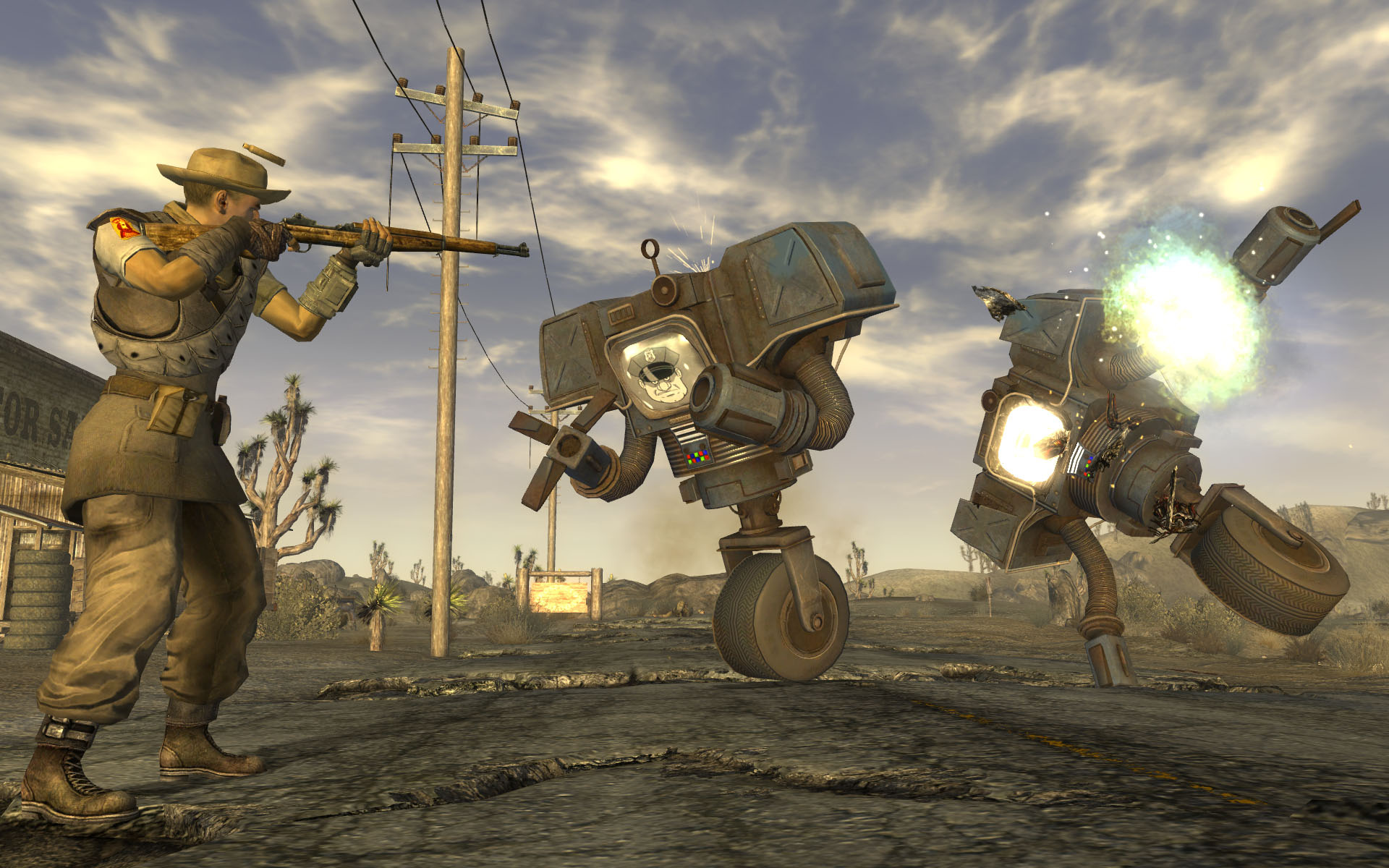
Fallout: New Vegas Robot
This is how I fix things post-release.

I've played several games lately sporting everything from amusing glitches to game-defeating code errors. Some even popped up in a review copy sent to me. Guess what that did to its score. Yet the post-release patch is now hardwired into development mentality. Ship it broken, fix it later...or never, if it bombs. This used to be a PC-centric issue; now that every console features WiFi connectivity, it's across the board. They sell us faulty software at full price and patch it weeks or months after the fact, as if that makes everything better. The support's nice, but gratitude isn't my initial reaction.

So I did what any real man would do: disconnected my PS3 from the internet and vowed to play Fallout: New Vegas unpatched. As nature intended.


And man, is it a mess. The frame rate stutters every five steps and freezes for a split second every few dozen. I've met dancing geckos, shot raiders who walked on air and through solid rock, and between multiple crashes my courier briefly turned into an eight-armed spider lady. That's nothing compared to a few creepy glitches others have encountered that share more similarities to Silent Hill than the wasteland. To add a sense of scale, Obsidian pushed over 200 scripting and quest bug fixes live in the last few days. Who thinks they got everything?

Of course they didn't. New Vegas offers a huge amount of content and the more there is to go wrong, goes the old saying, the more there is to go wrong. Blame the badly aging Gamebryo engine if you like, but Obsidian's 300-strong QA team simply can't cover ground the way a million players can. Not without the time and resources they are, in fact, never given.

Every day a game's in production, the company loses money. Deadlines and release windows aren't arbitrary; they're specifically targeted to hit rush seasons with the best chance of quickly turning deficit to profit. QA goes last in the development cycle, and if production runs late...well, tough. Ready or not, the game goes out. Those decisions benefit publishers to the detriment of their customers, but increasingly it's proving a handicap to publishers as well.
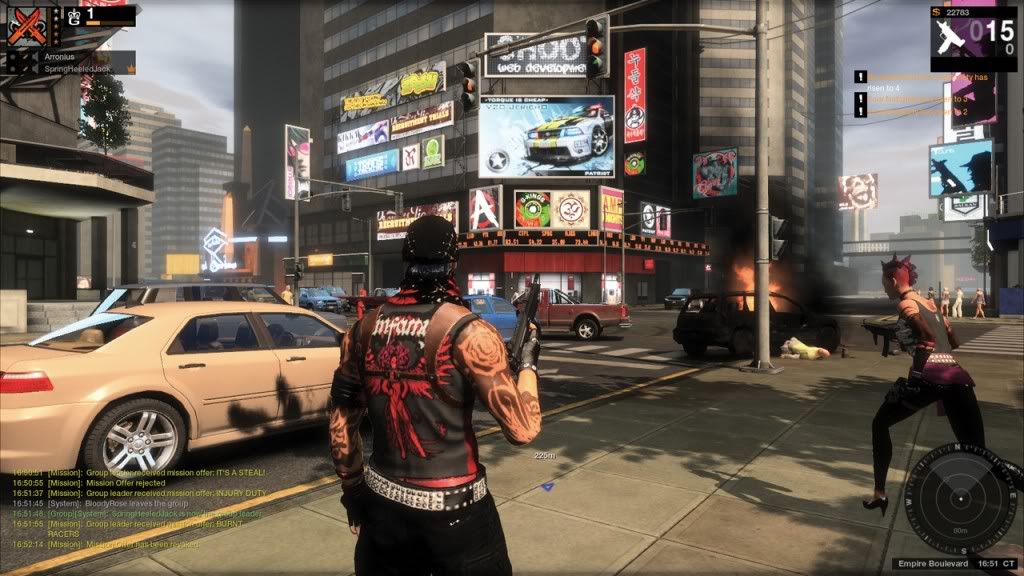
APB: All Points Bulletin
RIP APB. We hardly shot ye.

Bad word of mouth sinks a game. APB: All Points Bulletin landed with a critical thud last June, saw three patches by August, and announced a shutdown by September. Similarly afflected Warhammer Online: Age of Reckoning perpetually teeters on the cancelation rumor list. Then again, Grand Theft Auto 4, Call of Duty: Modern Warfare 2, and Fallout 3 were all terrifically buggy on release...and Game of the Year contenders.

Those games entertain despite the issues, and in all honesty, I'm enjoying New Vegas. It doesn't hurt that so many of its bugs are highly amusing. The best bug I've ever heard of -- caught before the game released -- caused your Fallout 2 character to detonate 30 seconds after an NPC joined your party. That's just funny. I almost wish they'd kept it in. We'll forgive a lot if the game rocks and the flaws make good YouTube fodder.

Crashes and dead ends? Not so much.

You can actually tell a lot about a developer by how they support their game post-release. Bungie pulled out the banhammer on 15,000 Halo: Reach cheaters earlier this month and routinely tweak their games' maps to make them better. Those are evolutions, not corrections.
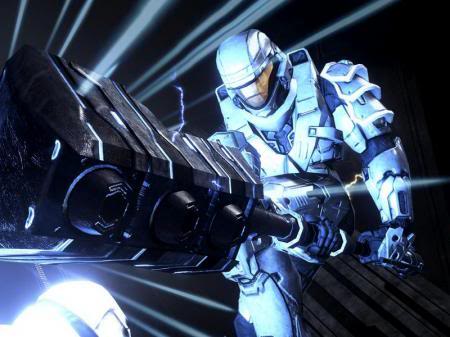
Halo: Reach Banhammer
Now THAT'S a banhammer.

Otherwise, post-release patching has become a crutch and a cheat, allowing publishers to purposely give the thumbs-up to blatantly faulty products for the sake of their schedule. Y'know, a few years ago, some European Union commissioners tried to enact legal protections for gamers buying faulty games...here's hoping that doesn't fade away. If we pay full price for a game, we have a right to expect full quality. No excuses.

So I will never patch Fallout: New Vegas, purely on principal, and I'll judge it based on its original release quality. Because that's the game you made, Obsidian. Live with it.

 
Problem? Report this post
RUS MCLAUGHLIN'S SPONSOR
Comments (9)
Default_picture
October 27, 2010

Eh. I patched it even though I was having nearly no bugs. The bugs I was having seemed like things that would be difficult to test (in particular, with some of the items that I got through the preorder bonuses and trying to mod them) and ones that would happen once in a dozen playtests because of poor path choosing (The dog in Goodsprings was caught on a crate during the fight. Later he ended up getting back to his proper location after I left the town for an hour or two.) I'm using the PS3 one though, and most of the people I've heard of having bugs have been playing on PC or Xbox360.

I give game companies the benefit of the doubt, especially when they don't have huge resources to test things. Stardock, for instance. GalCiv2 had a great many bugs when it was released, but they spent a year patching it and improving it after release, and the following two years releasing expansions that patched even more quirks and bugs. The GalCiv 2 I play now is a superb game, much better than the one I bought several years ago. My play style tends to reveal more quirks and bugs that aren't patched, but that's because most people just annihilate the Minor races ASAP, so I doubt much testing went into what happens when you give them ships, money, and technology to use in a proxy war.

I'm less forgiving of companies whose games have bugs several years after release and that stop releasing patches for their games after a couple of months.

Dcswirlonly_bigger
October 27, 2010

I think the fact that patching was once exclusive to the PC and has now moved into the console space is indicative of this very console generation: console games are becoming more like PC games. It's obvious really. This is the generation that was initiated by Microsoft and their PC-centric mentality which not only influenced their console, but allowed so many of those PC developers to enter the console space. DLC is just a reinterpretation of the expansion pack mentality.

PC games (and now console games) are still just computer software, and virtually all computer software get's updated and patched all the time post-release. This is only new to console gamers.

Plus, you gotta consider just how gigantic and complex Fallout 3 and New Vegas are. How many console games are there of similar scale that feel more polished? An even bigger example of this issue is ArmA II - probably the deepest military shooter on the market but also the buggiest. There's no way Obsidian could thoroughly QA all that.

I think intentionally leaving a game unpatched is just a futile resistance to the change.

October 27, 2010

I understand why you'd want to make a point to game studios by not patching your game, but in reality, you've already purchased their product and by not patching it you're simply just shorting yourself from playing a better game.

I agree that it's unacceptable that this has become the norm for so many studios, but I don't think not patching a game after you've purchased it is the way to go about it. I think a better way to combat this is to wait for a game to release and see if the community is upset about an overwhelming number of bugs, simply do not purchase it. By not buying their game they're hurting far more than they would be if you're not downloading a file that's only a few megabytes.

Phantom
October 27, 2010

I still can't believe Obsidian released such a buggy game. (Though, if you go to Fallout: New Vegas's GameFAQs message board, everyone will tell you these problems don't exist.)

But aren't you just punishing yourself if you play the game unpatched? I mean, I get the principle behind it, but you did pay for the game, right? Why not get the most out of your money, and play a stable product?

It sucks that developers are relying more on post-release patches, and something should be done about it. I totally understand your stance on the issue, but I don't think I would be "man enough" to play such a buggy game. So I commend you ... even though I think you're a little masochistic. :)

Chas_profile
October 27, 2010

I don't buy the whole "the game is just so big" argument. Yeah, it's huge, but they chose to make the game that huge. They knew before they started that they wanted it to be bigger than Fallout 3. This seems to indicate that either games aren't ready to be this big, or the developers just aren't talented enough yet.

Default_picture
October 27, 2010

For a PC gamer, bugs are like that uncle at holiday parties, familiar, yet still annoying. However, if that uncle gets hammerdrunk, spills his beer on the cat, tries to make out with grandma, and backs into your car, well, you definitely think twice about attending the next. You certainly wouldn't say afterwards, "Sure Uncle Larry was out of control, but those ham balls were absolutely divine!"

Likewise, one would not sit through a movie with a reel that snaps every half hour, nor read an unfinished book whose author *hopefully* adds those missing pages a few years later. Why should games be any different?

L_c2190f9bee5fe40dffa673d9a8cc0493
October 28, 2010

@Rus: I commend you for trying to play the game without patching but aren't you just punishing yourself for the developer's flaws.

@Chas: Good point. Since Fallout: NV released I've heard that the game is way too big to squash all the bugs from multiple people in the industry. In reviews, podcasts and articles people who really like the game are always excusing the bugs and justifying it's faults by pointing out it's scope and I think there lies the problem. 

Off course some people are going to be able to play through the game without encountering game breaking bugs and might get an enjoyable experience out of the game, only encountering the more amusing bugs Fallout: New Vegas has to offer but I still feel that most high profile reviewers pay enough attention to the bugs and glitches in their reviews. I will take one example from the most extreme case in highest rates review on Metacritic.

The Guardian gave Fallout: New Vegas a perfect score yet the critic drops this quote in the article:

" I've had to switch my Xboxoff using the power button roughly once every two hours so far – and a lack of signposting for irrevocably game-altering decisions can be frustrating, though perhaps understandable given the huge scope of the game."

To me this is unacceptable because how does having to hard boot your system regularly not break your immersion and thus hurting the experience. 

Default_picture
October 28, 2010

I myself would like to see this trend (what I like to call the "EA release procedure" as they are the most notorious for it) squashed, if not fully reversed. It's a reason why the games we get these days have become stale. Basic formula means fast fixes. So considering so little effort is put into QA before a game ships and so little resources put into post release support, they need the fast and easy fixes to compensate. This means a reliance on basic formulas, which means "safe" and stale games.

Blizzard has the right idea with their approach. They do not even make an announcement of a release date until they're sure it's mostly fixed. Granted it's not perfect (as of late, they have been letting alpha level bugs slip by), but it's a step in the right direction. It's certainly better than the EA style of "release on this date no matter the condition" (look at Red Alert 3, which needed 3 patches in 2 days of release just to allow people to start it up)

Playing a game unpatched is no solution though. refusing to buy an incomplete game on the other hand is. When people stop supporting the "release no, fix later" mentality, it will change.

Robsavillo
October 28, 2010

Rus, I'm with you until the "bad word of mouth sinks a game" part. I don't think you make the case that APB or Warhammer Online were derided as buggy messes; rather, I recall both games having significant design issues. And then you highlight several high-selling, buggy games? How's this a problem for publishers?

The bottom line is that Daniel's right -- this is only new to console-only gamers. Would you reject Windows updates because they're not the OS Microsoft released? Of course not. I don't view games much differently, but I am much less likely to buy a second time from a developer who does not offer post-release support.

You must log in to post a comment. Please register if you do not have an account yet.