Home
Home
(This article contains Halo 2, Kane and Lynch 2: Dog Days, Red Dead Redemption, Halo: Reach, and Mass Effect 2 spoilers.)
I couldn't believe it. Kane & Lynch 2: Dog Days spent six hours pushing its "Escape from Shanghai!" narrative hard, and yet, the instant Kane and Lynch shoot their way onto a jumbo jet queuing up for takeoff, the whole thing comes to a dead stop. Game over. Wait, what? Really? Because looking at the entire history of aviation, the armed hijacking of a commercial airliner tends to be a less-than-perfect getaway plan.
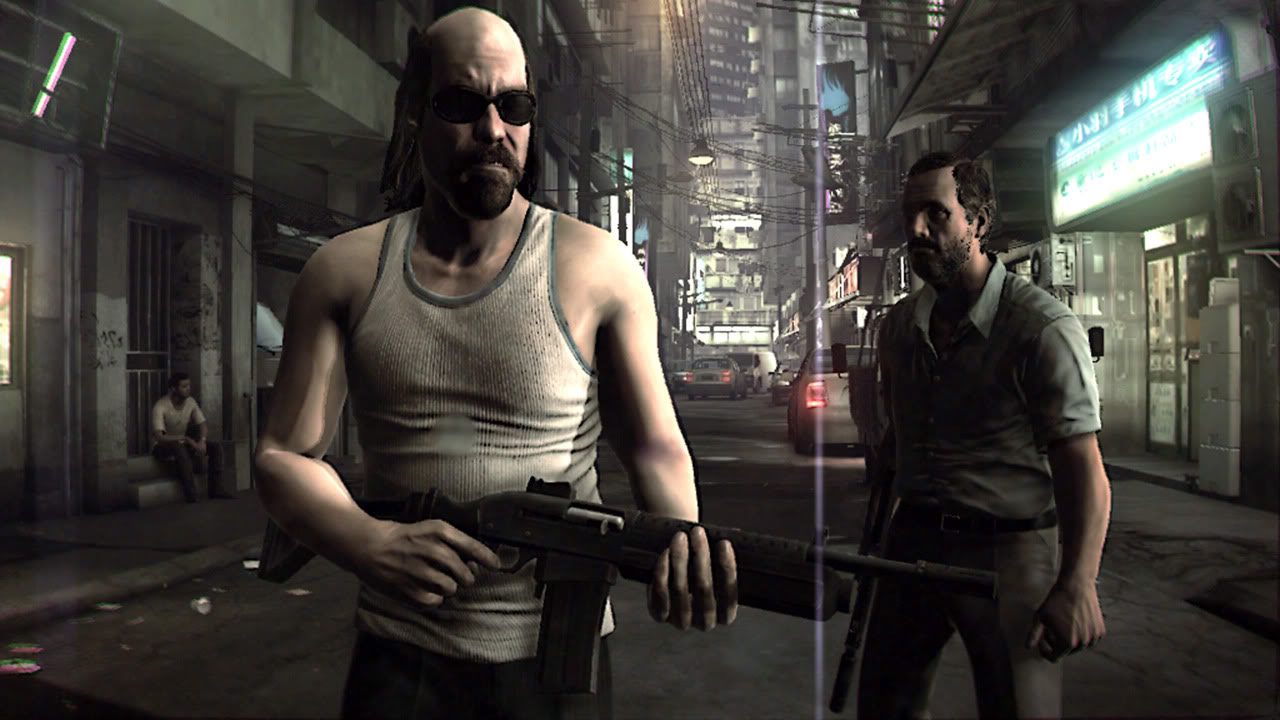
The TSA shouldn't have any problem with this.
Kane and Lynch 2 isn't the only end-game offender. I've played a lot of games recently where the ending, frankly, sucked. This isn't exactly a new problem, but the symptoms are showing up with alarming frequency nowadays. After spending 6, 10, or 25 hours shooting my way through a major metropolis, chopping hordes of godless heathens, or vanquishing a vaguely comical menace in a lighthearted platforming manner, I need catharsis. The journey must be worth taking.
And lately, it isn't.
Now you finish the last level, you get a cut-scene so short it wouldn't lose a 2-year-old's attention, cut to black. That's an issue, because any form of entertainment must stick the landing or it's fair to question whether you should spend your valuable time and money on it at all.
Really, a game's got two chances to seal the deal. The end boss can provide an epic finish, and/or the story can conclude in a smart manner. A game that misses on both counts threatens to sour the whole song. Perhaps you remember the outrage over Halo 2's surprise cliffhanger. After a weak boss battle against master ape Tarturus, the Master Chief returned to Earth, stepping up all ready to kick ass...to be continued. That left a bad taste in everyone's mouth, including the staff at Bungie.
But then, games have struggled to present a worthy end boss for a while now and -- Tartarus excepted -- still generally fall back on the old kill-three-times-to-really-kill-them model. The solution? End-boss situations...super-tough sequences where everything hits the fan at once, forcing you to dig deep and utilize every skill learned over the course of the campaign.
In theory, anyway. Medal of Honor's final fight felt exactly like every other armed assault in the game. Call of Duty 4: Modern Warfare threw in an on-rails shooter. Call of Duty: Modern Warfare 2 offered up a super-easy boat ride, but then hit you with a grueling sequence where you mashed a button to yank a knife buried in your own chest. Not tough, but deeply involving.
Verily! Thou hast murdered me with thy awesomeness!
Compare that to Call of Duty: Black Ops. You strangulate the helpless baddie, then you're baldly told "It's over! We won! For now...." Oh, and you might've assassinated Kennedy. Peace out!
Bad as those are, the Assassin's Creed franchise simply cannot end a game competently. The first hits you with a stand-up fight after hours of stealth killing before yanking you out of the 12th century for a spell in Dullsville 2012. Assassin's Creed 2 leaves lead character Ezio hanging so badly it takes an entirely sequel -- Assassin's Creed: Brotherhood -- to resolve his issues. Then Brotherhood ends on a cliffhanger so pointless it'll leave you scratching your head until your reach your brain.
Make no mistake, endings are tough. They should be the logical culmination of everything that came before. They have to satisfy. They must have weight. Worst of all, they've got to come as a surprise. Games should build to a crescendo, then relax a bit to wrap things up good and proper. Yes, that's Basic Story Arc 101, but clearly, some developers need the refresher.
So here's how it's done right:
- Halo: Reach pays off on its foregone conclusion (the destruction of a major human colony), but you still stand your ground, refusing to retreat, surrender, or give in. You invite the monsters to come get you if they can...and inevitably, they do.
- John Marsden's last stand in Red Dead Redemption might not be so visceral, but given his personal struggles to be a better man -- and the wit he applied to the process -- it's much harder to see him shot down like a dog. And much easier to avenge him later on.
- As the middle episode, Mass Effect 2 has the tougher job of closing the chapter while keeping the door open for Mass Effect 3. So you get a suicide mission to beat and a major threat to kill. Then you get the option to tell Mr. Big Shot to go screw himself as your crew preps to go shoot the apocalypse in the face.
What do you mean, I don't belong in the Gray Armor Club?
What do these games have in common? They all build towards specific moments where the different threads all come together, so everything feels earned. Then they provide a sense of closure, even if it's only temporary. That's how you do it.
Because as important as first impressions are, you take your final impressions with you when the game ends...and those last.