EDITOR'S NOTEfrom
Sam Barsanti
I'm sure a strategy like this makes a ton of money (how many copies has Black Ops II sold already?), but it's still surprising to see so many publishers pushing for another sequel every year after what happened to Guitar Hero, and Tony Hawk, and ... well, every other franchise that has tried this.
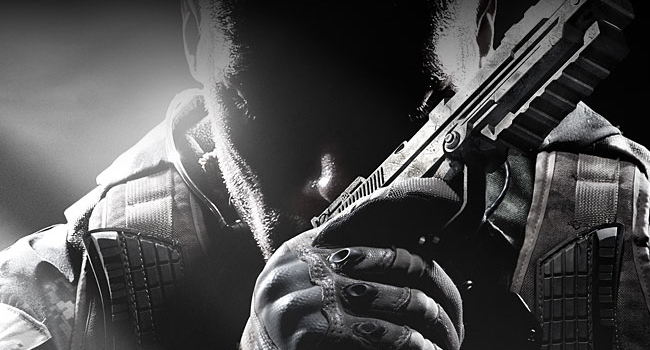
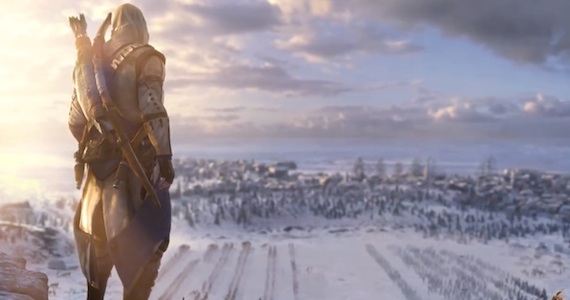
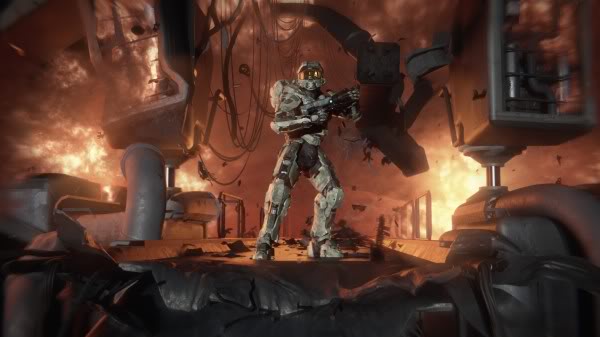
In the video game industry, many of the leading developers will shoot for an annual sequel and put out a new game at the same time every year.
Franchises working on this schedule are often the dominant ones, topping the sales charts year after year. However, this order of operations often has an expiration date, and eventually the games that follow it will hit a dead end.
Why is that? Well, it’s the same reason that they were once so successful: their annual release date.
So what’s the problem here, exactly? The primary and most prominent issue with franchises putting out a new title every year has much to do with their development cycle. Having to work to a certain deadline leaves very little room for advancements and innovation, often rendering sequels barely distinguishable from one another.
On one hand, a series of games should have a sturdy system to hold it together between installments. But on the other hand, if that system is too cut and dry, it may simply leave its players bored overall and send them searching elsewhere for new and improved ideas.
We are always hoping for improvements to our favorite series. Not just new levels, characters, and weapons (which are all fine and dandy, of course), but new concepts to bring these elements into a different light.
Unfortunately, this is not always what we end up with. In fact, you may be more than familiar with a few franchises that suffer from this unfortunate fate.
Read more >>


 Home
Home










 The
The