

Editor's note: Players argue endlessly over whether a certain mechanic that punishes failure ultimately does nothing more than cause frustration or foster a tense atmosphere of challenge. So long as my loss is the result of my own mistake -- not a cheap-shot from the game's systems -- I'm much more tolerant of fail states. At the same time, I become easily discouraged by titles that coddle the player too much -- I find little enjoyment in an experience when I have nothing to risk. Demon's Souls is a perfect example of a game that strikes the balance Marko seeks. -Rob
It's hard to reinvent the wheel.
Players and critics constantly pressure the industry to make new innovations regarding gameplay, storytelling, and presentation. But with all of this, we sometimes forget that a very small change to a already well-known formula can completely alter the way a game works.
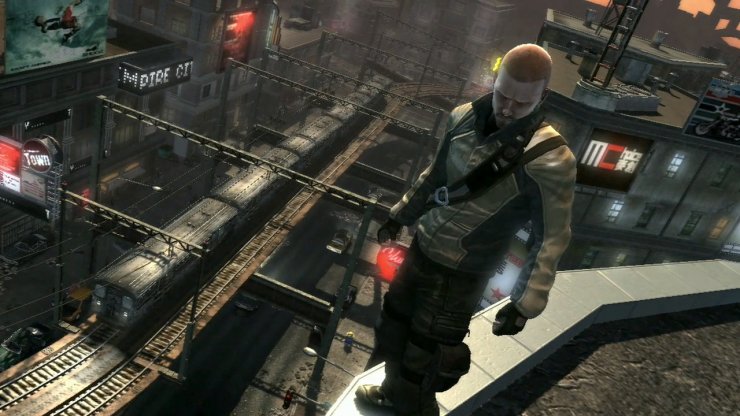
An example that instantly comes to mind is Infamous, a sandbox game with a big world open for you to explore. Since your character possesses superpowers, you can scale any building in a matter of seconds. Where this game stands out from others in terms of "video game laws" is that you don't take any damage from falling off buildings -- none at all.
Due to this, I don't have to throw the controller out the window every time a grenade -- or something else -- causes me to plunge to my death. By eliminating a very small game mechanic, Infamous removes a big annoyance factor and makes the game more enjoyable.
Another example of this is Batman: Arkham Asylum. Platforming segments in 3D games can be a highly frustrating task and cause a lot of irritation. Imagine the screams of your character falling, a "game over" screen pooping up, and a "continue" option from the now-available menu as your only recourse. As most of you already know, this isn't quite fun or enjoyable.
In Arkham Asylum, though, the game doesn't so severely punish you for falling down a pit or off a ledge. Instead, you see Batman use his grapple gun to escape that uncomfortable situation. This only lasts a couple of seconds and instantly places you back in the same spot you were before.
On the other hand, some games that implement these changes do so in a way that actually makes the experience less enjoyable. An example is 2008's Prince of Persia release; besides the innovation of having Nolan North's voice, the prince couldn't die. At all.
As soon as you were about to die, your A.I.-controlled companion, Elika, stepped in and saved you. The mechanic reduced the penalty for failing to such a point that it removed the excitement of the game itself.
Add to this a very simplified control scheme, and suddenly it felt as if the game played itself. By implementing all of these changes, the thrill of platforming was gone -- how does timing matter if I'm not penalized for failing?
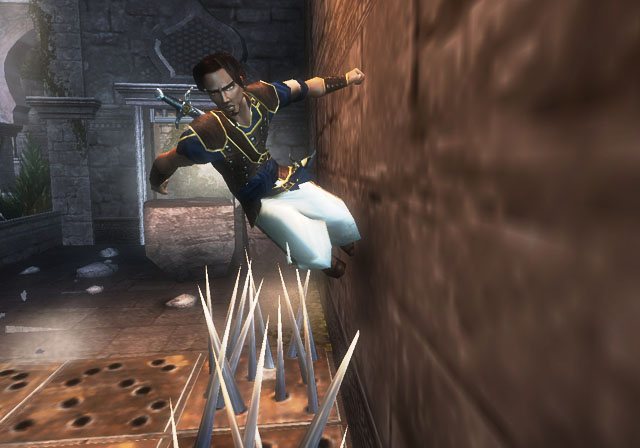
A game that found that perfect balance of streamlining gameplay without taking out the enjoyment is Prince of Persia: The Sands of Time, a great example of how not to annoy the player.
By providing the ability to rewind time, Sands of Time allowed you to easily correct your mistakes with a single button press. Since the game limited the mechanic's usage, the gameplay retained its challenge. Both Arkham Asylum and Infamous also retained that element of player death.
The problem of striking this perfect balance is what decides if a game succeeds or not. If it's too simple or streamlined, the player loses interest -- likewise if the game is too hard and constantly punishes the player. But when you find a game that completely nails it, or at least one aspect of the gameplay, then that might result in an incredibly fun and thrilling experience without getting on your nerves.
1