Home
Home

I've only played the first Gears of War (blame that on Epic Games's abandonment of the PC realm), but I don't recall horror being a significant aspect of the game's design. I do hope that someone listens to David, though -- his observations paint the series in a far more interesting light than I imagine Epic has in store for gamers.
The first season of 24 is some of the finest television I've seen -- a very tight, mostly linear experience of a man who's driven in a frequently futile attempt to save both his family and protect those in his charge. In contrast, the later seasons of 24 constantly make Bauer the super man -- the only guy (despite all sorts of intelligence resources and military hardware) who can get the job done -- and the series fails because of that.
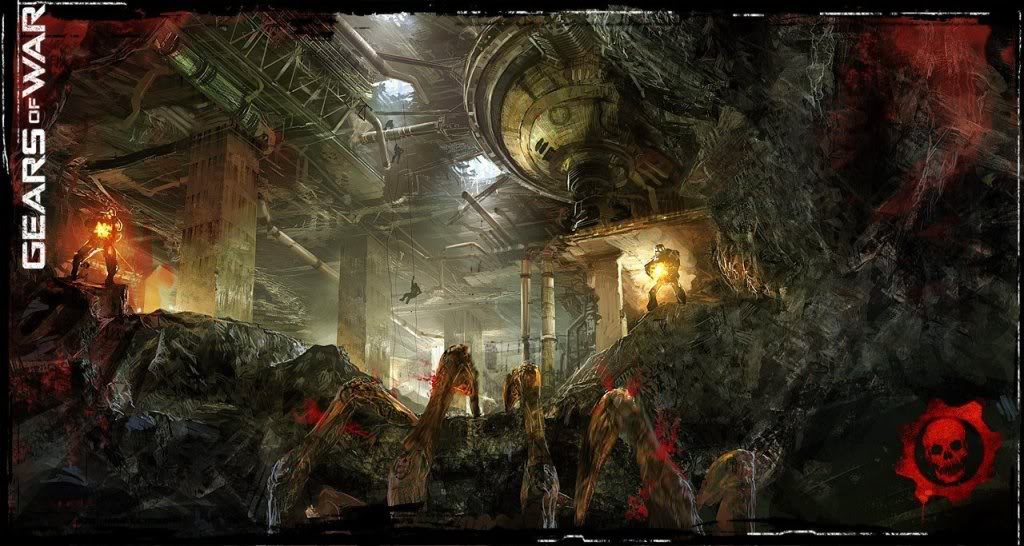
This is an apt comparison to the Gears of War series. I write this out of love -- not hate. I'm a huge Gears of War fan, and my purchase of the third game is all but guaranteed (partly because my wife is an even bigger fan than I am). Still, I'll buy the third-person shooter knowing that it'll probably let me down with the direction the franchise is headed.
The first two games suffer an essential identity crisis. Epic can't seem to make up its mind whether Gears of War should be primarily a horror ride or summer-blockbuster action romp. The first game has a lot of nice bits. It's Gears of War 2 -- with Lead Designer Cliff Bleszinski's proclamation of "bigger, better, more badass" -- where the seams start to show. It's those "bigger" and "badass" moments that ruin the franchise, whereas the horror moments represent some of my finest gaming experiences.
 What Gears does right
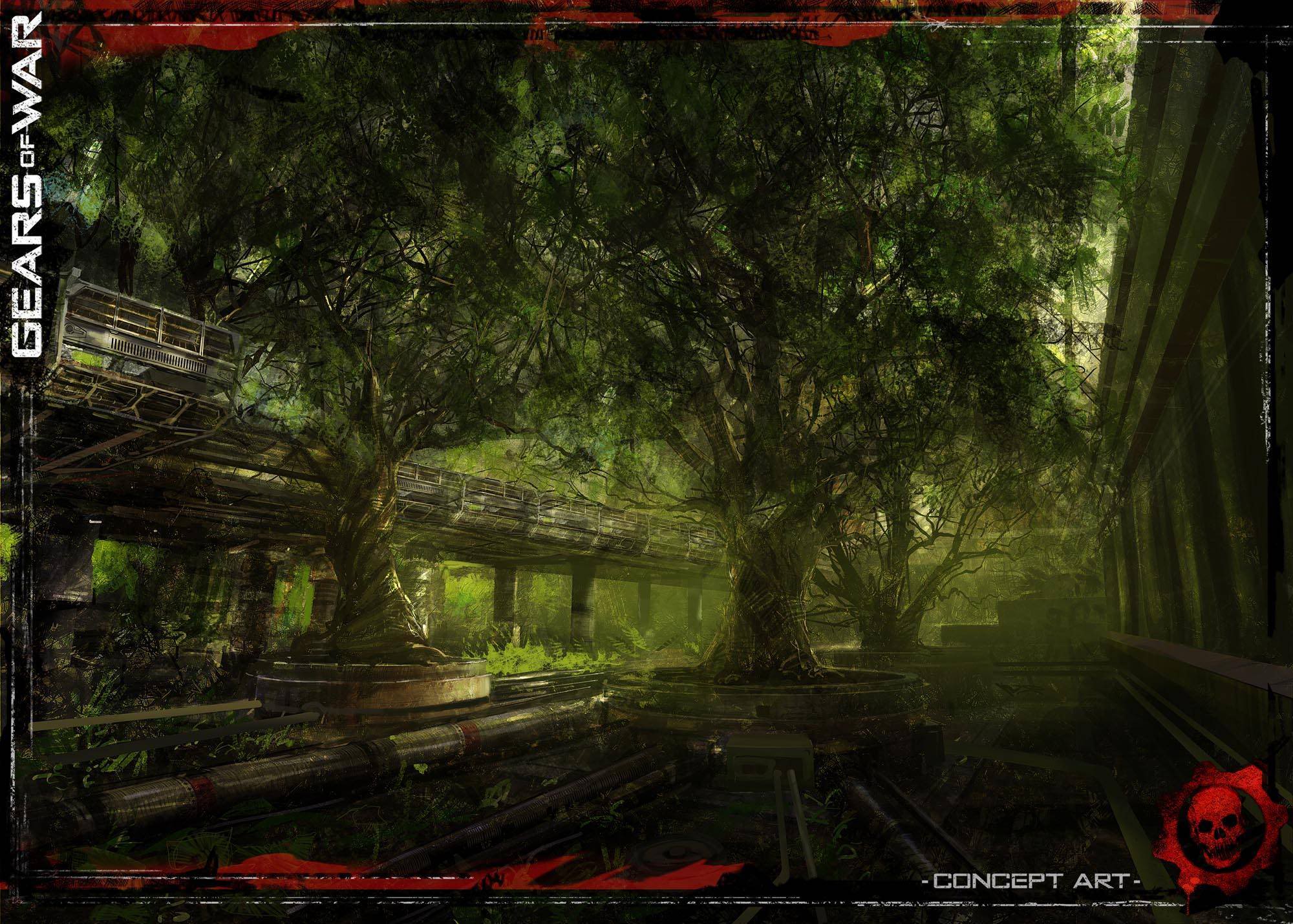
The ruins of the planet Sera are one of the best aspects of the Gears franchise . In fact, the more time spent above ground and not in the tunnels of the Locust, the more I enjoyed the game. Ruined architecture just does it for me.
A prequel set during the Pendulum Wars would be really interesting because you could see the cities transform from their early neo-classical beauty into the ruined states we're now familiar with.
From a gameplay perspective, staying above ground helps emphasize a "this is my squad, let's survive the day and night" feeling. When Delta squad goes underground, the game suddenly becomes a "we're super soldiers and the only ones who can complete the mission" experience. True, in the second game,many other squads traversed the Hollow with me. But most of the time, the Locust easily gun them down because they're not the super-soldier that you are.
The ruined architecture provides a nice setting, but it's the frequently harsh environment of Sera itself that provides the forboding mood that a horror game really needs.
In the first game, that was the Kryll:
In the second, it was razorhail:
Both forced you to constantly be aware of your surroundings and -- especially in the case of the Kryll -- introduced a very light environmental puzzle element. This heightens immersion, which is key to the success of any game. Plus, it helps break up the endless "get into cover, pop out, shoot some baddies" rhythm of many other parts of the series.