Home
Home

With today's ever-evolving digital marketplace, fresh ideas and exciting experimentation are at an all-time high. Just take a look at Minecraft's success. I'd even argue that a selection of big-budget blockbusters have taken inspiration from some of the more-creative titles out there.
This year, like at the end of every console generation, I hear people complaining that there are too many sequels coming out and that creativity is dead in video games. I remember thinking the same thing after reading an issue of Electronic Gaming Monthly back when the PlayStation 2 was on its last legs. It seemed like every new game for the platform was a sequel. But if you look a bit further back, you’ll find that this has been the case for decades.

Mega Man 6 would like to remind you that sequelitis is a regular thing, like the flu.
At the end of every console generation, we see new and interesting ideas coming out as developers grow comfortable with hardware, but that’s also when they bank on existing, battle-tested franchises to ease their transition to the new generation.
I can’t accept that a game like Catherine is dismissed by some people as Persona with block puzzles. Such a view ignores the title’s significant turn toward a narrative centered on real-life adult issues like cheating and marriage, topics seldom breached by games. Maybe this isn’t new ground for other forms of media, but for video games, it’s a creative step forward that opens up new possibilities. And just because Catherine fuses a dating sim with puzzling aspects doesn’t make it creatively bankrupt.
I’m sure most people would agree that Okami brought new and interesting ideas when it came out at the end of the PS2’s life cycle, but in a reductionist view, Okami is just the The Legend of Zelda with Japanese folklore.
You could take any modern artist, musician, or author and plot his or her influences out, then plot out the inspirations of those influences and so on, like a game of Six Degrees of Kevin Bacon that spans generations. In an extremely pessimistic view of things, I guess you could argue that, yeah, themes and ideas are being reused but only in the same way that every story is in some way ripping off the monomyth of the hero’s journey, Joseph Campbell’s The Hero with a Thousand Faces.
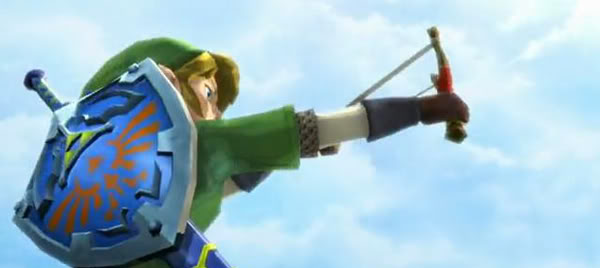
In Link’s case, it’s more like the Hero with One Face a Hundred Times.
When people take an idea, refine it, meld it with other ideas, and expand on the result, they create something new. This is how art has evolved for centuries, and it would be alarmist to say that doing this is leading to the death of creativity in gaming.
I have to concede that studios are willing to take fewer risks as they work on larger, more expensive projects, and that is certainly having a chilling effect on the flow of fresh ideas. But indie developers are always trying out new things, and demand will always be there for this kind of thinking since consumers will eventually become bored with whatever type of mainstream game is dominating the market. New ideas will sprout, flourish, and when all the fruit has fallen, they'll wither away.
And something else will grow in that space. That’s my take, anyway.