Home
Home

Super Street Fighter 4: Arcade Edition
Most people had a lot to like about SSF4, but Japanese arcades were still playing the 17-character original. To address this, Capcom released Super Street Fighter 4: Arcade Edition to those amusement centers and later home consoles, which added SF3 legends Yun and Yang and tweaked the roster even further.
Then the developers thought: Nobody likes overpowered competitors, but wouldn’t matches be more interesting if the game had a villain to rally against?
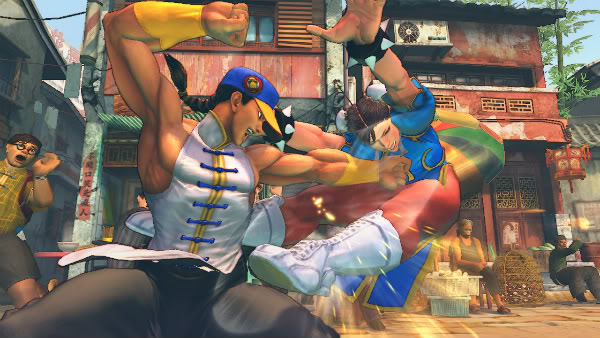
Yun
It’s impossible to talk about Arcade Edition without discussing Yun. The kung-fu teenager is a machine designed to whittle down the other player’s lifebar as efficiently as possible. Once inside, he had a plethora of ways to break defenses until he could activate his signature attack: The deadly custom-combo super Genei-Jin. His twin Yang was also dangerous, but didn’t have Yun’s pure offense.
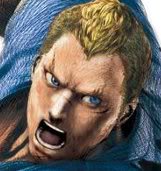 Abel
Abel
Unlike previous new characters, the twins were obviously powerful and had advantages that others lacked. For example, previously Abel fought with frustrating mix-ups, but he had ho-hum reach, lousy defense, and suffered damage nerfs in this update. In contrast, Yun’s Nishokyaku dragon kick is a difficult-to-punish reversal, and he could approach easily with his Zesshou Hohou lunge punch and dive kick.
Fei-Long
Not that Yun and Yang were the only top tiers in the game. By not suffering many nerfs and getting buffs in small-but-important areas, Fei-Long grew from average in SF4 to amazing in Arcade Edition. The Bruce Lee tribute could use his Rekkaken punches to bully opponents, especially in the corner where he could punish escape attempts.
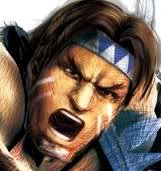 T. Hawk
Players searched for warriors who could challenge the top tier. Grapplers like T. Hawk and Zangief forced the low-health twins to think before they attacked, while Sagat rose in prominence again. Unfortunately, it’s tough to tell if they really had an edge: Yun player Kazunoko once posted a match-up chart in which the only person who didn’t have a disadvantage against him was another Yun.
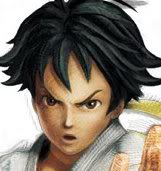 Makoto
Tier lists began to gravitate towards fighters like C. Viper and Makoto who could quickly stun opponents and never give them a change to fight back. Makoto disappointed many fans in SSF4, but here she feels more like the karate monster she was in Street Fighter 3: Third Strike.
Dhalsim
The most-telling example of Arcade Edition’s balance comes from an exhibition at Norcal Regions 2011 between Street Fighter grandmaster Daigo Umehara and Dhalsim expert Filipino Champ. In the beginning Daigo used his famed Ryu, and the two fought on even ground. In this video, Daigo switched to Yun and easily smothered the yoga master. The only round Champ won was when he connected both a Super Combo and an Ultra Combo.
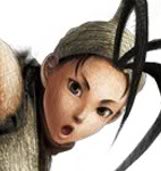 Ibuki
Ibuki
Outside of dealing with the top-tier terrors, a lot of the roster benefited from Arcade Edition, where Capcom improved so-so characters and weakened abusive tactics. Teenage ninja Ibuki received new Target Combos and other changes to improve her core game at the cost of her kunai projectiles becoming less effective.
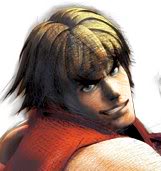 Ken
Ken
While Ken has a strong close-range offense and Shoryuken-happy online warriors love him, most experienced players preferred Ryu. His Hadoken was better than Ken's in terms of speed and recovery time, and Ryu had to take fewer risks overall due to small differences between the two's moves. That perception changed in this version. Ken gained little tools that he lacked, such as the ability to combo into his sweep kick, while his rival had a key attack nerfed in his Crouching Medium Kick.
Seth
The final boss of Street Fighter 4 lost his stretching Jump Heavy Punch, which Zangief and others could do nothing against. In return, he got a boost to his laughably low health and tweaks to make him more aggressive. One of Evolution 2011’s biggest moments was when Korean player Poongko used his fearless Seth to squash Daigo’s Yun.
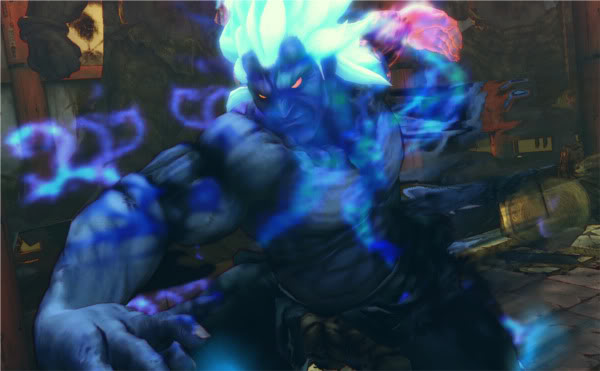
Oni
Later on, Capcom added Evil Ryu and Oni, though neither made the splash that the twins did. While Oni is based on Shin Akuma from previous games, he’s been changed drastically enough to be considered a brand-new character. His fireballs and Shoryuken are finicky, but in return he gets forbidden Marvel Vs. Capcom-esque techniques like the cross-up Demon Slash and a pseudo air dash. Oni and Evil Ryu disappointed fans who wanted more old favorites to return, but since I'm guaranteed to face them when I play online I'm sure the developers knew what they were doing.
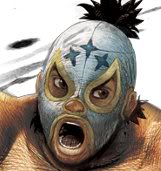 El Fuerte
People’s dissatisfaction with the top tier was clear. Still, one of my favorite moments when I went to CEO 2011 was seeing SeeDogPoo’s El Fuerte almost defeat Marn’s Yun. Everyone stopped what they were doing to watch the high-risk luchadore take on Goliath, even those who were playing their own matches. Did Capcom theoretically have the right idea?
Next page: Capcom makes amends in what could be the final update in the series.