

 If you thought April is a historically light month for video games, you would be wrong. There are some major anniversaries coming up this week. This installment of This Week in Video Game History gives us an opportunity to celebrate a classic game that is still very relevant, curse gamers for avoiding two fantastic titles, and confirm that arcade cabinets are perfect for a show about nothing.
April 18
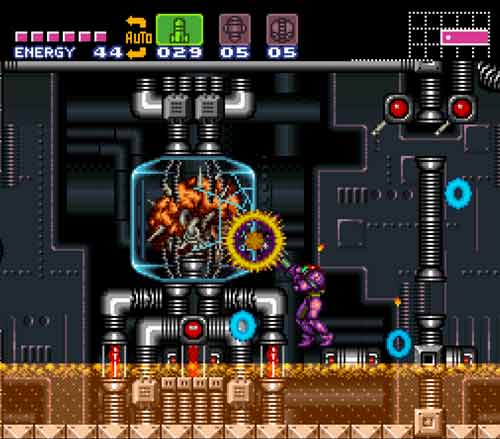
1994 -- Super Metroid is released in North America. Usually, I will list the first worldwide appearance of a game, but the Metroid series has had a very unique relationship with North American audiences. Of the many noted Nintendo franchises, Metroid seems to be one of the few that is more popular in North America than Japan. This game, however, stands on its own, and has become one of the highest regarded games of all time. The heart of Super Metroid is still beating strong, inspiring modern releases like Shadow Complex. For more, head over to Area 5 to see a great discussion about the game by notable journalists (including Hsu).
2006 -- Final Fantasy 11 makes the leap to the next-gen with its Xbox 360 release. Two days later, it hits store shelves in Japan, but no one noticed.
2006 -- HD-DVD makes its North American debut. Again, no one noticed.
April 19
2005 -- Psychonauts is released. Fans have probably talked about it more than they've played it, so that must count for something. Send Tim Schafer, the game's creator, a tweet via @TimofLegend to mark the anniversary. Tell him we sent you.
April 20
1976 -- Data East, popular video game and pinball maker, is founded in Japan. Unfamiliar with the company? I can tell you that they made a game called Bad Dudes vs. Dragon Ninja. Do you really need to know anything else? Retronauts just had a great discussion about the company.
1990 -- Fire Emblem: Ankoku Ryū to Hikari no Tsurugi, the first Fire Emblem game, is released in Japan. Thirteen years later the series would make it to North America, if you don't count Marth and Roy's appearance in Super Smash Bros. Melee.
2006 -- Not to be outdone by Psychonauts, Okami is released, quickly becoming a contender for "best ignored video game."
April 21
1984 -- Duck Hunt debuts in Japan. Twenty-six years later, we still hate that damned dog.
1989 -- The Game Boy is released in Japan. It would go on to revolutionize the handheld market while selling nearly 120 million units. That's one Game Boy for every 50 people on earth. Another stupid fact: the Game Boy has reached a worldwide density of 0.8 Game Boys/square kilometer. Did we mention that they sold a lot?
1990 -- The US release of Splatterhouse gets a "Parental Advisory Label" for its violence, a precursor to the modern ESRB system.
2005 -- Nintendogs is released in Japan, creating (or capitalizing on, I'm not too sure) a nationwide obsession with dogs.
2006 -- The Silent Hill film hits theatres in North America, going on to be "one of the video game movies that totally didn't suck." Uwe Boll did not direct it.
April 22
1962 -- Farm animals beware. It's Jeff Minter's birthday! He would go on to create Llamasoft and many hoofed-animal-themed games. He would also become one of the greatest eccentrics in video games, an industry not known for its stable personalities.
2009 -- Square Enix. To date, the Lara Croft character design has not seen more zippers. We're still waiting.
April 23
1998 -- As Seinfeld nears the end of its run, "The Frogger" is aired. It becomes an instant classic (like many Seinfeld episodes), as George Constanza tries in vain to preserve his high score on a Frogger cabinet. The show's showpiece gag is a recreation of Frogger's gameplay as George attempts to cross the street with the game.
April 24
2002 -- G4TV launches in North America. As with video games, it continues toward more mainstream success and acceptance. Good for them. That Adam Sessler is going places.
Question of the Week: Were the poor sales of Psychonauts and Okami due to their April release dates, or were they games that were never going to appeal to a mass audience? Post your thoughts in the comments!
Up next week: Ken Kutaragi, Duke Nukem Forever, and a little bit of video game journalism history.
1