Gaming is a social phenomenon

Default_picture
Friday, September 02, 2011
EDITOR'S NOTEfrom Eduardo Moutinho

With the maturation of online gaming and advent of all-inclusive events like the Penny Arcade Expo, players have more outlets than ever to meet each other and share their mutual passion.

I wasn’t always great at fitting in. My parents believed it was likely because I wasn’t interested in the “right” activities, so they decided to choose my hobbies for me. Unfortunately, many of the kids who played on the little league team were also the ones who picked on me. That didn't work out so well. So after they accepted my geek way of life, my mom and dad let me go back to my games.
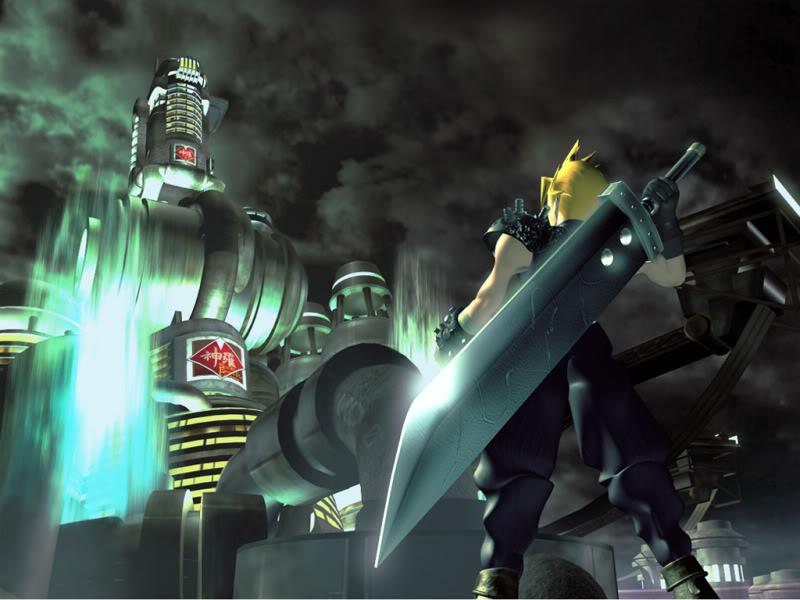
Years later, a boy approached me as I sat outside my middle school one afternoon drawing characters and locations from Final Fantasy 7. He recognized what I was doing and praised me for my digitally inspired doodles.

I had other similar encounters, and I socialized more as the weeks passed. Eventually, I found myself having more friends than I could even count. I realized that video games weren't the problem. It was the fact that adults told me there was something wrong or antisocial about enjoying them.


Many non-players treat gaming like a reclusive activity for the introverted. In reality, gamers are probably the most social people I’ve ever met. Even single-player experiences give us topics to discuss in the real world whether it’s a simple conversation about artistic opinions or a heated debate regarding morality.

For instance, many individuals who approached me about my FF7 drawings discussed how the Shinra Company was a take on modern corporations and their power-fueled aspirations. Another friend of mine also took the time to tell me that even though he felt Unreal had a more open-ended structure, it lacked the story and character development found in Half-Life.

Gaming is also a great excuse for friends to get together and plan anything from store trips to tournament gatherings where people bring their TVs and consoles.
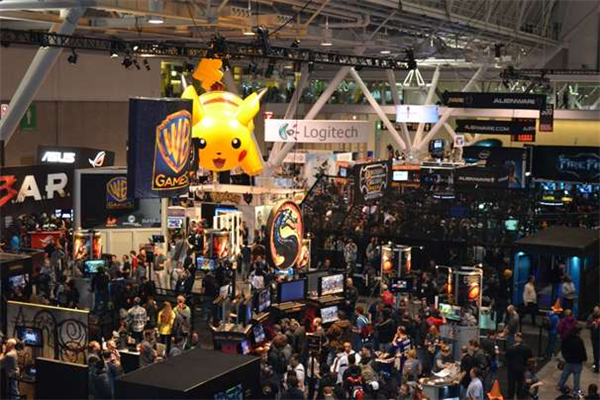
Popular events like the Penny Arcade Expo are examples of these social experiences. At these shows, fans come together to see the latest offerings from the interactive-entertainment industry. Enthusiasts can have fun in their own special way -- even if it involves dressing up as Chun-Li from the Street Fighter series.
 
Individuals who believe that playing through the latest releases is an antisocial activity couldn’t be further from the truth. Just look at all of the networks, conventions, and organizations that have emerged in the last few decades.

Games are some of the most collectively consumed forms of entertainment.

 
Problem? Report this post
BITMOB'S SPONSOR
Adsense-placeholder
Comments (6)
Default_picture
August 30, 2011

For sure. When FF 7 came out, my cousin and I would work together on the PS1 classic. We were both also playing through it at the same time, giving each other advice and tactics that we both used. As far as multiplayer goes, N64 and GoldenEye were the, um, golden days when playing together. I don't think people should be considered "lazy" and anti-social if they play games -- like you said, they're getting more interactive as time flows.

Default_picture
August 30, 2011

Even in the beginning we had more lavish arcades packed with people, and most of them simply watched and commented as others pushed for the high score.

There have always been social aspects in the world of gaming, though they're often overlooked with stereotypes and inaccurate statistics about violence.

Bhhdicon_copy
August 31, 2011

I agree that video games have always had a fairly deep social aspect to them, especially when it came to multiplayer games, but there were also gamers like me, content with holing up in the basement and playing RPGs like they were going out of style (and they more or less did, for the most part). However, as a kid, during that crucial "games are antisocial, go out and play" phase, I actually coordinated and ran a Game Boy club with a circle of friends, and we had a secret base and everything. It was pretty fun, and way more social than online gaming, which is more or less solitaire with voices over a headset...

Default_picture
September 02, 2011

I think video games add a surprising amount of fuel to a conversation, especially when other people have played a few themselves. I still love talking with my fighting game/anime friends about the upcoming releases of the year.

I really miss the time I spent with friends at the video game club at Cal State Long Beach. We really shared a kinship with fighting games in general. Even though we also played first-person shooters and racing games, I think the fighting games got everyone hyped. I guess the love comes from using cool-looking characters to knock each other out with flashy special moves.

Default_picture
September 02, 2011

This reminded me that one of the reasons I have such an attachment with Morrowind. It such a nerdy thing to do, there were three of us who were really into the game and we would talk about loot that we found or quests and such. Often we'd have to bring out the map and mark where a certain quest chain began or where a pair of awesome gauntlets were... Ah, nerd life.

That's where my love of Halo began... The social aspect. Whether it was Co-op or LAN parties. The stuff that really sticks with me isn't necessarily stuff that happened in the game, but taking snack breaks or going for a quick 2:00 AM store run, and all the while exchanging "war stories."

Default_picture
September 06, 2011

My first witnessing of gamng on a large scale and a force asa social source was when I ended up as part of a traveling gamer's league in high school. Training 15+ kinds and unleashing their abilities on rival schools was a blast! I find the global approach more open, but a little less satisfying, personally

You must log in to post a comment. Please register if you do not have an account yet.