Home
Home

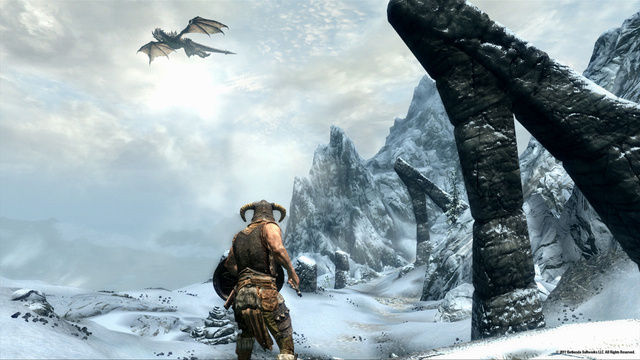 Here at Bitmob, we like to write. We know you do, too. In fact, you guys pump out so much great content that some of it gets lost in the abyssal depths of the Mobfeed. And it's scary down there. (Seriously, I think I saw a wyvern in there once.)
So to save you the trouble and from a possible horrific death, we bring these valuable articles to you in a feature called Hidden Gems. Similar to our weekly Spotlights, these are stories that didn't quite make the front page but are worth highlighting...but perhaps these have fallen between the cracks after some time.
This week, we've got a thorough examination of the upcoming Skyrim and its predecessors, criticism of Samus Aran, a look at the structure and logic of game pricing, and more. Check 'em out below. Or take your chances with the wyvern.
Another forgotten realm: Concerns going into Skyrim
by Evan Griffin
I admit I was never able to get into either Oblivion or Fallout 3. But I respect the world-building they achieved. Evan has an incredibly detailed breakdown of just what these titles did to accomplish that sense of immersion. It's amazing how much these little touches matter in game design.
My heart says maybe, but your price tag says no
by Bryan Harper
This article sparked a good debate in the comments when it was first published, but now is a good time to bring it back. Bryan examines the prices of several games and goes with his gut reaction on whether he would buy them based on that amount. His point: "Maybe you [game companies] should work on convincing us that your game is worth a purchase on day one by speaking to our wallets directly."
Metroid Prime Trilogy and what makes a good female character
by Andrew Wiggins
Andrew shares the story of his first real exposure to the popular Nintendo franchise with the Metroid Prime Trilogy. In doing so, he finds that Samus Aran might not be as shining an example of a female character as he was led to believe, because the things that make her strong also strip her of her femininity. I'll just say this to Andrew: Don't play Metroid: Other M.
The path of the Paragon
by Mark Daigle
The subtle role-playing influences and important choices in Mass Effect 2 had a big impact on me. Mark observes that it's easy for us to parse these decisions down by their expected in-game result. But do we apply that same logic to our real-life choices? What if we always acted with the desired end firmly in mind, as we do in games? Interesting thought.