Home
Home

Jonas expertly describes the true essense of a zombie game, and he's highlighted several on the second page that aim to get it right. And I recommend that you give Rogue Survivor a peek, too.
I'm well aware that you shouldn't get all worked up over trailers (especially teasers), but when I saw the teaser for Dead Island, I was instantly enthralled. Could this finally be the zombie game that packs the emotional punch that others have lacked? Could it capture the desperation, blind fear, and feeling of isolation that films and series like 28 Days Later and The Walking Dead evoke?
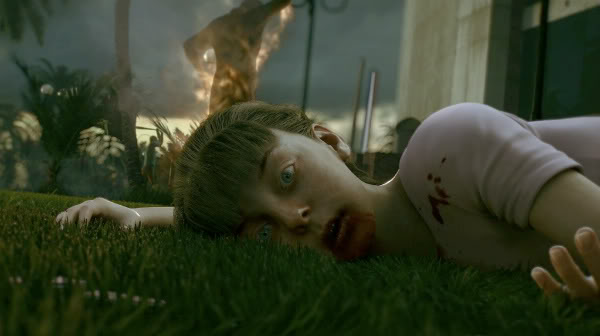
After having watched some in-game footage, I'm not so sure. No doubt, the title looks splendidly entertaining, but it doesn't seem to emphasize the survival part of survival horror. Sure, you still have to scavenge tools for your weaponry, but having official missions to undertake could remove all of the tension.
Rather than dropping the player into a hostile environment without any particular, set goals, the developers have opted for a Fallout 3-esque open world and even added special zombies, such as the Drowner -- effectively placing the game in the arcade-style genre.
Why haven't we seen more survival-style zombie games that try to enter the psyche of those still alive?
First, though, what differentiates a survival zombie game from an arcade-style zombie game?
Tools, ammunition, food, and other apocalypse-essential supplies must be a scarce. Coupled with a lack of information on what’s happening in the big picture, this will add to the feeling of isolation. Because the zombie apocalypse is bigger than a small national or international crisis, and it doesn’t stop until every single one of us has joined the ranks of the walking dead.
Zombies must be portrayed accurately to achieve the necessary dread. Zombies are frightening for two reasons: their likeness to human beings and their endless, mindless push forward in the hunt for brains, flesh, or...whatever they crave.
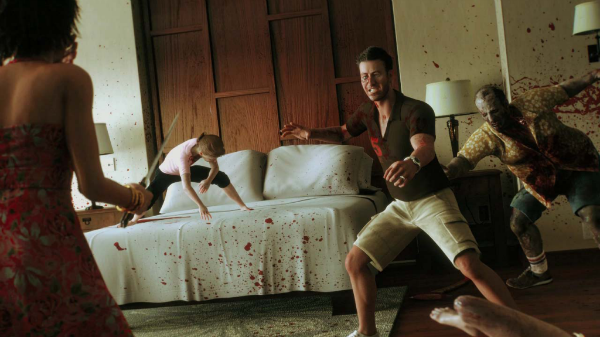
These creatures are only human husks -- the result of what happens when you remove the conscience (and add an insatiable hunger). And unlike profitteering, private-military contractors and evil wizards, you can't negoiate with zombies. They have no motivations you can try to understand.
An apocalyptic game must feel expansive and free. Ideally, every object should be usable by players in their quests for survival. They must be free to approach any situation they experience however they see fit and possibly fail -- rather than subjecting them to glowing arrows pointing to the correct course of action.
In a survival-zombie game, the grander plot becomes more peripheral. Hints about what caused the apocalypse may be left around, but the player shouldn’t be involved beyond that. This is terror in suburbia, not a power fantasy. The small stories are what is important -- whether it’s rescuing your neighbor from the hordes or witnessing someone close to you become infected. Like the guys at Undead Labs say, the terror comes from some sort of twisted familiarity, where you recognize enough to be horrified by the changes.
While Dead Island looks like it may disappoint here, on the next page are three examples of upcoming, independently developed games that all try to take a broader approach than just "shoot and kill" to the zombie threat (which, as everyone knows, is very, very real).