Home
Home
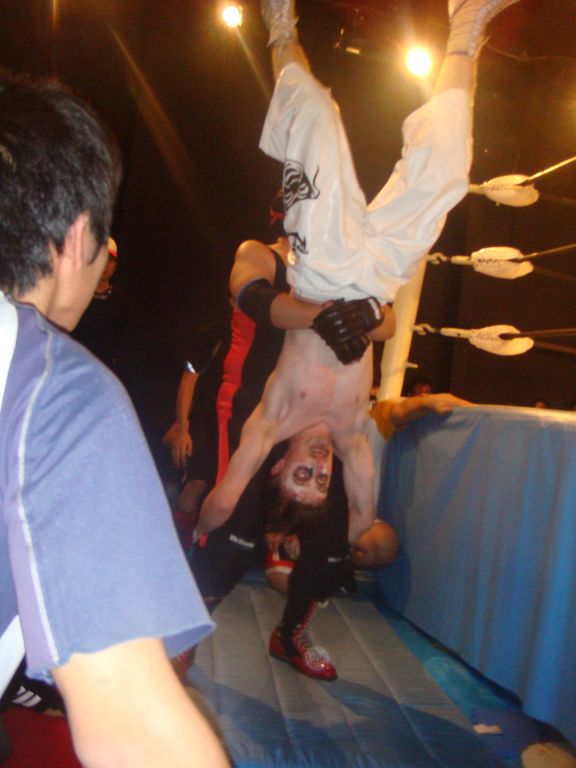
It's easy for a lot of us foreigners to detach ourselves from the imagery we see in the media, but Chris reminds us that the disasters in Japan are very real and affecting many people in different ways. Development concerns aside, I think he may be right. As interactive media, video games might be a good tool for expressing the human side to these violent forces of nature.
March 11th, 2011 is a date that will stick in the minds of many people -- myself included -- for quite some time.
When a 9.0 magnitude earthquake struck off the coast of Sendai (in northeastern Japan) and triggered a tsunami which caused untold destruction and the loss of tens of thousands of lives, I was teaching at a preschool which is a long way south in Kawasaki. Though it was relatively weak where I was, the quake was undeniably the strongest I've felt in six years of living here. As I grabbed some kids that were lingering in the classroom and headed outside, we were shaken (pardon the pun) but unfazed. Wary of aftershocks or the first tremor being a prelude to something bigger, we had to stay outside. Jokes were made and games were played to entertain the children while we waited for mothers to bustle in and take the kids home.
As I left work, I checked the news on my rapidly dying iPhone, and I discovered where the epicenter was. I sent some emails both to friends closer to the problem and to family in England to let them know I was ok. As it turned out, the emails home made it, but with network servers overloaded, I wouldn't get a reply from a lot of friends until the next day.
It shames me to say, but with little idea of what was actually happening, my early thoughts were on how to get home. Trains were all stopped, and what would normally be a forty-five minute commute transformed into an eight-hour journey -- it took 20 kilometers of walking to get to a skeleton transport service. All too ominously given the nuclear reactor fears that would follow, I was reminded of Dmitry Glukhovsky's excellent novel and subsequent 2010 game, Metro 2033, in which a simple half-hour journey across the Russian Metro system becomes a week-long trek through destruction and paranoia.
After getting home, I flipped on TVs and computers, and messages trickled through. My girlfriend was at work in Tokyo, but her office was safe. A brief chummy debate emerged over just who had the worst journey home from work. Some people were without power; some were without water. One person lost an apartment, but crucially, everyone was alive. The scene in Sendai seemed unreal -- if anything, like a videogame: Gran Turismo cars and Unreal Engine 3 houses were smashed into oblivion.
Here, things are now relatively trouble-free. Since I'm only used to dealing with first-world problems, choked food supplies and continuing blackouts do worry me, but that's the extent of things. With trains stopped and non-essential businesses closed, I've been given the week off of work. Now that I can't hop on a train to see people or go shopping, this seems like a good chance to catch up on my gaming backlog.
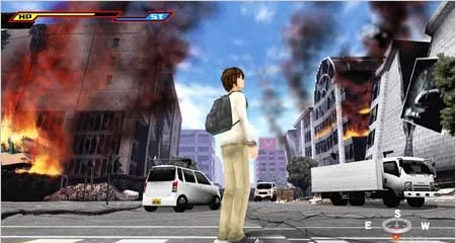
It just doesn't feel appropriate, though, so I start to write instead. One thing that people at home are constantly asking is how it must feel to be affected, if only on a small level, by these problems. We're desensitized to horrific images on television, so everything seems otherworldly. It gets me thinking: Where is the opportunity for people to learn about this sort of emergency on an interactive basis? Why is a huge chance to educate largely missed out on? In short, where is the docu-game?
The closest we have to a major video game that takes a serious approach to natural disaster is perhaps Sim City (MockZilla attacks -- or Bowser on the SNES version -- notwithstanding), but while that touches on economic effects, it tells nothing of personal problems, procedures, emotions, or fears on the ground. I imagine that survivor accounts of an incident, such as the somber and surreal depiction of the aftermath of the 1995 Kobe earthquake in Haruki Murakami's book, After the Quake, would work well as a point-and-click adventure. Surprisingly, it seems nobody has yet pursued this idea.
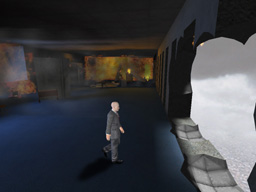
The trouble is, of course, pitching things at the right level in a hypersensitive climate and with a medium that constantly struggles with issues of weight. Attempts such as 9-11 Survivor, an independent Unreal mod, drop players into the shoes of a victim of the September 11th terrorist attacks. This game seemed brave and was indeed championed by some, but mainstream coverage was as sensationalist as you may expect. Too soon? If that was indeed the issue, there wouldn't have been an uproar about a game investigating the plausibility of conspiracy theories behind the JFK assassination. There was, though. The fact that it was called JFK Reloaded probably didn't help.
For some reason, endless first-person shooters can recreate real-life conflicts, but they escape most criticism by depicting the role of armed forces in an aspirational light. They fail to look at the view of either the opposition forces or the civilian on the street. Even so, things get close to the bone at times, as with Medal of Honor having to rename Taliban forces in its multiplayer mode. There was also the cancellation of 6 Days in Fallujah, a title that, at least ostensibly, attempted to create a video-game documentary but was met with uneasiness and eventually dropped. As it relates to the tragedies of this past weekend, Irem's Disaster Report series was perhaps the closest gaming could hope for in terms of letting people experience the effects of these violent acts of nature. It was approached with a certain level of camp though, and with an unfortunately placed spring release, Irem has cancelled the series' PS3 debut.
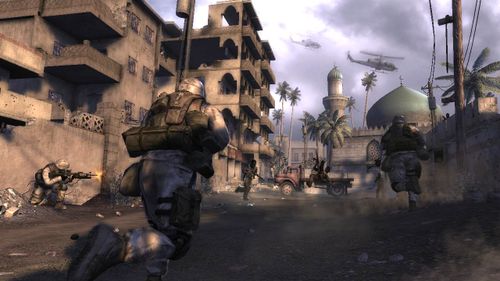
9-11 Survivor suffered perhaps by appearing some eight years ago, when mainstream acceptance of games was different, while JFK Reloaded and 6 Days had issues with marketing -- being labeled as entertainment rather than education. The concept of educational video games may make a lot of people cringe. Americans may still reflect misty-eyed on Oregon Trail, but perhaps it is time to pitch educational video games based on real-life events to a wider audience of adults on consoles as well as kids on school PCs. If major publishers fear of slow sales of such products, why couldn't they distribute them as independent PSN/XBLA releases or offer to contribute the proceeds to relief charities?
For a medium that struggles to be taken seriously, video games need to be comfortable with educating as well as entertaining; they need to take a serious approach to teaching us the physical and emotional effects of major real-world events. This might not make the events of March 11, 2011 seem any more real for everyone, but hopefully it will for some, and that may make all the difference.
People affected by the quake in Sendai and Miyagi, as well as the developing situation near the Fukushima nuclear plant are in desperate need of food, water, and medical aid. If you can spare a little change, please give to the Red Cross. Thanks!