

I love Gil's article! The notion of creating a generational discourse about older games is important if we want our favorite classics to have any cultural significance.
Video-game history used to be like sedimentary rock, with each new console generation establishing itself atop the previous era. Layer by layer, the medium evolved, and older titles became harder to access as new products buried them beneath an ever-stacking sequence of obsolete technology.
In the past, hardware came and went, with no reliable institution to keep, catalogue, and make available earlier titles. The experiences of veteran gamers became all we had. Unfortunately, stories of yesteryear can only go so far as viable source material.
I could reference any number of classics for the sake of conversation and analysis, but unless you’ve played them yourself, my descriptions -- no matter how articulate -- won’t mean much.
Immersion and experience are the ethos of gaming. Thus, word-of-mouth recollection negates the medium’s intent and fails at gauging the significance of any given title.
Let’s face it. If Shakespeare was a game developer, and Hamlet came out circa 1992, how many of us would have played it? Maybe you missed out on it because of a poorly timed birthday as a kid and got Bubsy instead. As it stands now, it seem that we are OK with ignoring defining moments in the medium. That's too bad.
Services like Virtual Console, PlayStation Network, Xbox Marketplace, and Good Old Games are important. Saying that they merely sate our nostalgic hankerings is as reductive as saying college is important because it provides the student with a crash course in hard drinking.
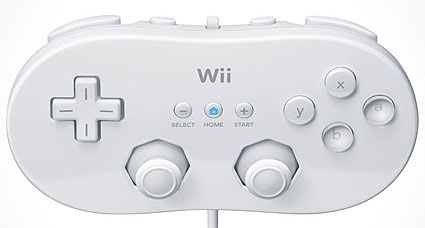
Here's your shovel. Get diggin'!
These virtual marketplaces allow gamers to dig into the previously unreachable sedimentary layers of video-game history.
In terms of supporting a culture, having access to historical gems like Bubble Bobble is comparable to finding copies of Hamlet in every bookstore or library in the world. Educated game analysis becomes unhindered by obsolescence. Critiquing and analyzing the medium now turns into a generational endeavor, as opposed to the “you had to have been there” method we've abided since the form's inception.
Perhaps it's because the market is so focused on technology, but it seems it's always been about looking forward, as opposed to looking back. The next big thing is constantly looming, only to have the next thing overshadow it...and then the next, ad infinitum. This cannibalistic cycle is a staple of a product-driven industry, and it veers gaming away from the artistic ideal of offering reverence for works past and present.
Before this console generation, I would’ve said this stigma was a result of us not knowing any better. Looking back was as futile as regret. But that isn’t the case anymore.
Just as the subtext of Hamlet has grown and changed over decades of analysis, maybe Bubble Bobble, Earthworm Jim, or Crazy Taxi could inflate or morph in significance given such generational attention.
Taking these services for granted is a mistake.
Let’s not be content with simply gazing into the rear-view mirror every now and then. We should punch it in reverse, and catch up with the past.