


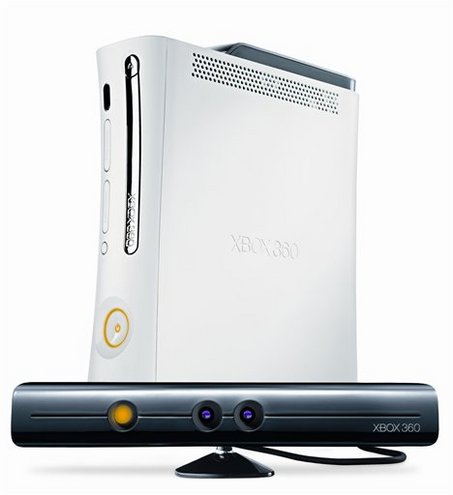
Since Microsoft unveiled Project Natal at their E3 conference last year, “hardcore gamers” around the world have not been able to stop crying “casual” as they dread the arrival of full-on motion-based gaming to the Xbox 360. It seems, however, that they haven’t given a lot of thought to some of the other things it will enable its users to do.
For me, it wasn’t until yesterday that I started thinking about Natal a little more deeply – a lot more actually. Yesterday, my older brother’s first baby was born – on the other side of the Atlantic sea.
As I went over and over again through a dozen cell-phone pictures of my little niece that my brother e-mailed me, my mind started racing with thoughts about how I’d be able to interact with her in the years to come. Web-cams were the first thing that came to mind – obviously; they’d allow us to have real-time video chats where I could tell her stories, sing her songs, put on puppet shows for her and maybe even teach her a few useful things. But then I realized how all these things, as fun as they’ll be, are all rather passive when compared to actual play – and when you’re little, nothing’s more fun than that.
It was this realization that made Natal pop right into the front plane of my mind. It suddenly hit me: hooking up an augmented reality device to a console with on-line connectivity that already supports other interactive multimedia devices – especially web-cams and microphones – will enable it to bring families together for presential play not only across their living-rooms, but across the ocean too.
In the very near future, my niece and I are painting and drawing on the same screen while we see and hear each other; my parents take their granddaughter on a tour through the sights-and-sounds of their hometown; and on Sunday mornings, we all get together for some board-game action on the same virtual table.

I know, these are not examples that support the notion that Natal will push “real” video games into a new era, but they are an excellent example of how gaming platforms – through the use of augmented reality and motion-based controls -- can, and will further free remote-human- interactions from the physical limitations posed by the use of complex peripherals and by geography itself. And in an industry where its enthusiasts constantly seek serious mainstream acceptance for it, isn’t it a giant leap forward?


