Home
Home

 The Internet Age brought humankind numerous blessings and curses such as free porn, pop-ups, and online shopping. The latter allowed niche products that were formerly only available in other regions to easily be distributed to one's home country, which significantly altered the import and export market. Video game soundtracks were one of these niche goods, and websites such as gamemusic.com made it possible to import these commodities.
As a video game music enthusiast, I've occasionally splurged on these expensive items. When I made my first game music purchase, I thought nothing of dropping $30 on a Xenogears soundtrack -- even though I had a limited disposable income.
Ever since fast music downloads became a reality, my thoughts on the prices of game soundtracks changed. Being able to download music for free, listen to it on Youtube, or purchase MP3s from iTunes altered my perspective on CD-containing jewel cases that oftentimes were worth nearly as much as $50 video games.
With the increase in illegal downloads, game music distributors found themselves in a precarious position. Knowing they'd never be able to fully combat that threat, most kept their prices outrageously high, while others began making their music available on iTunes.
Game soundtracks released on iTunes generally have a much more reasonable price tag. Legendary Nobuo Uematsu soundtracks such as the Final Fantasy VI Original Sound Version go for a paltry $17.99 on iTunes even though it retails for over twice that on gamemusic.com (and that's not even including shipping fees).
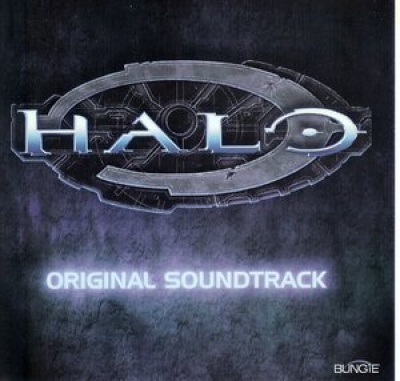
Soundtracks released by Western developers on iTunes tend to go for similar prices -- $19.99 will entitle you to a digital copy of the Halo 3 Original Soundtrack. Clearly, these prices are a bargain in comparison to traditional game music retailers, but are they enough to ward off illegal downloads?
Based on my conversations with fellow game music enthusiasts -- my guess is, no. Most game music connoisseurs I know download their music illegally -- for various reasons. Some of these individuals download a soundtrack because they feel entitled to it after having spent $50 on a game that already contains those songs; others find album prices outrageous; and sometimes, their favorite tunes are no longer available.
Clearly, this is a problem for composers and game music retailers, but I have some simple solutions that'll raise appreciation for game music and transfer more money into their hands.
The first and most obvious way to tackle this problem is to make more soundtracks available on iTunes for a reasonable price. As a fan of Nobuo Uematsu's compositions, I've checked iTunes numerous times for a digital release of the Lost Odyssey Original Soundtrack (his most recent acclaimed musical work), but it's still unavailable even though the less impressive Blue Dragon OST has sat in the iTunes store's virtual shelf for two years now.
It's also surprising that widely appreciated soundtracks for Chrono Trigger and Chrono Cross still aren't available on iTunes. Perhaps Square-Enix and Yasunori Mitsuda are worried about those soundtracks' sales potential, but I think they'd perform admirably if they were released at a ten dollar price point.
When making an old product available for digital distribution, fixed costs are the main concern, so it'd make sense to release an album at a low price to increase sales volume. Releasing such an item for ten dollars is not a risky endeavor -- especially considering that these soundtracks were produced years ago, which makes it practically impossible to lose money.
An even better way to combat illegal downloads, however, is to offer a complete soundtrack in exchange for a game pre-order. Atlus is notorious for offering such incentives -- and they've generated a loyal fan-base as a result. Companies such as Square-Enix and perhaps even Naughty Dog could benefit from a similar approach. Sure, titles such as Final Fantasy 12 and Uncharted 2 were practically a guaranteed success, but a soundtrack may have encouraged more people to pre-order instead of buying the game used.
If the prior approach fails, publishers could try releasing a collector's edition of their game with a full soundtrack instead of filling them with quickly forgotten trinkets. A five dollar mark-up would be reasonable for such a change.
None of these approaches are a guaranteed success, but with illegal downloads becoming the norm, new incentives are needed to gain new and repeat customers. In the future, I hope more game publishers and composers will employ these tactics instead of peddling their musical wares on relics of the early Internet Age such as gamemusic.com