Home
Home

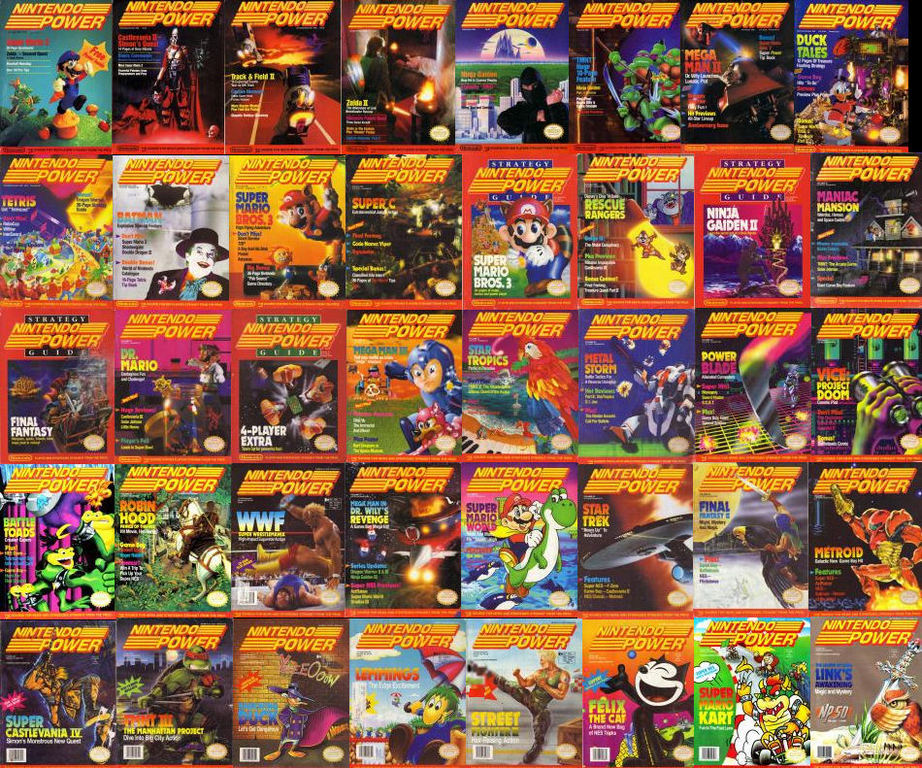
The dearly departed.
I stumbled across BitMob a few weeks ago, and I’ve been an addict ever since. There are plenty of reasons for me to keep coming back; solid original content, a sincere interest in stories that are off the beaten path, the acceptance of uppity newbie writers like me. But there is only one reason for why I stayed on the site the first day I found it—that reason is named Shoe Hsu.
It’s not the most common of names, at least not in suburban Phoenix where I was raised. And it certainly isn’t a name I have given any thought to in the last half-decade or so. But 11 year old me would’ve recognized it instantly.
The guy from Electronic Gaming Monthly! The guy with a weird enough name (no offense) that it would stick out even to a kid like me, who only picked up the magazine for the cool pictures and the Hsu & Chan comic. And because of that, Shoe became what I viewed as the quintessential game journalist, the one name I could easily pick out in all the reviews and previews I read as a kid. But I haven’t read a video game magazine in years, and as time passed so too did any memory of the great Shoe.
Which is why it came as quite a shock to see his name underneath the “Editor-in-Chief” title at BitMob. Suddenly it all came back to me: the glory days of magazines like EGM, Nintendo Power, and Game Informer stacked waist high in my room, dog eared and bookmarked. Begging my parents for the newest copy of whatever was out that week, reading it more times than would ever be necessary, not really understanding that my addiction to gaming was growing stronger by the article and not really caring either.
And then of course, OF COURSE, as soon as I start thinking that it may be time to renew some subscriptions, Nintendo Power goes belly up. You can blame the growth of mobile gaming, which has created an audience that doesn’t really give a crap about the next iPhone game. You can blame Xboxs and Playstations and PCs for stealing the limelight. You can even blame Nintendo itself for letting one of its oldest and most beloved connections to its audience die out.
Or you could blame the true culprit: Shoe Hsu.
Well, not Shoe exactly. It’s more about what he represents to me: the transition from videogame publications to videogame websites.
It makes perfect sense that with the growth of the internet would come the decline of publishing. We’ve seen it with newspapers and books, and videogame journalism is no different. Like I said earlier, I haven’t even picked up a game magazine in years, and why would I? I’ve got IGN and Destructoid and Kotaku and hundreds of other sources to turn to for my gaming info needs. And over time it seems that people have divided into two camps; one set on preserving the glory days of gaming journalism, and the other embracing the new digital age. Oh how the flame wars have been fought.
But the fact is that the transition from publications to internet doesn’t represent two completely different worlds coming into conflict. In fact, it’s just the opposite: gaming websites are the natural evolution of game magazines. Sure, the internet is more vulnerable to crazies and trolls, but it’s also the most open platform for discussion ever created by mankind. It’s a place where, cliché’s aside, we can come together and express our love of gaming. I would’ve given anything as a kid to see my name next to Shoe Hsu’s, to write about gaming for an audience as addicted to it as I was. And now look! Here I am doing just that!
So don’t hate Shoe, and don’t hate the internet. It’s nobody’s fault that Nintendo Power is gone, and I guarantee it won’t be the last game magazine to fall. But as long as excellent writers like Shoe, the rest of the BM staff, and even schlubs like me want to talk about videogames, the spirit of Nintendo Power lives on.